Diabetic Pedicure vs Salon Pedicure: Safer Foot Care When You Have Diabetes
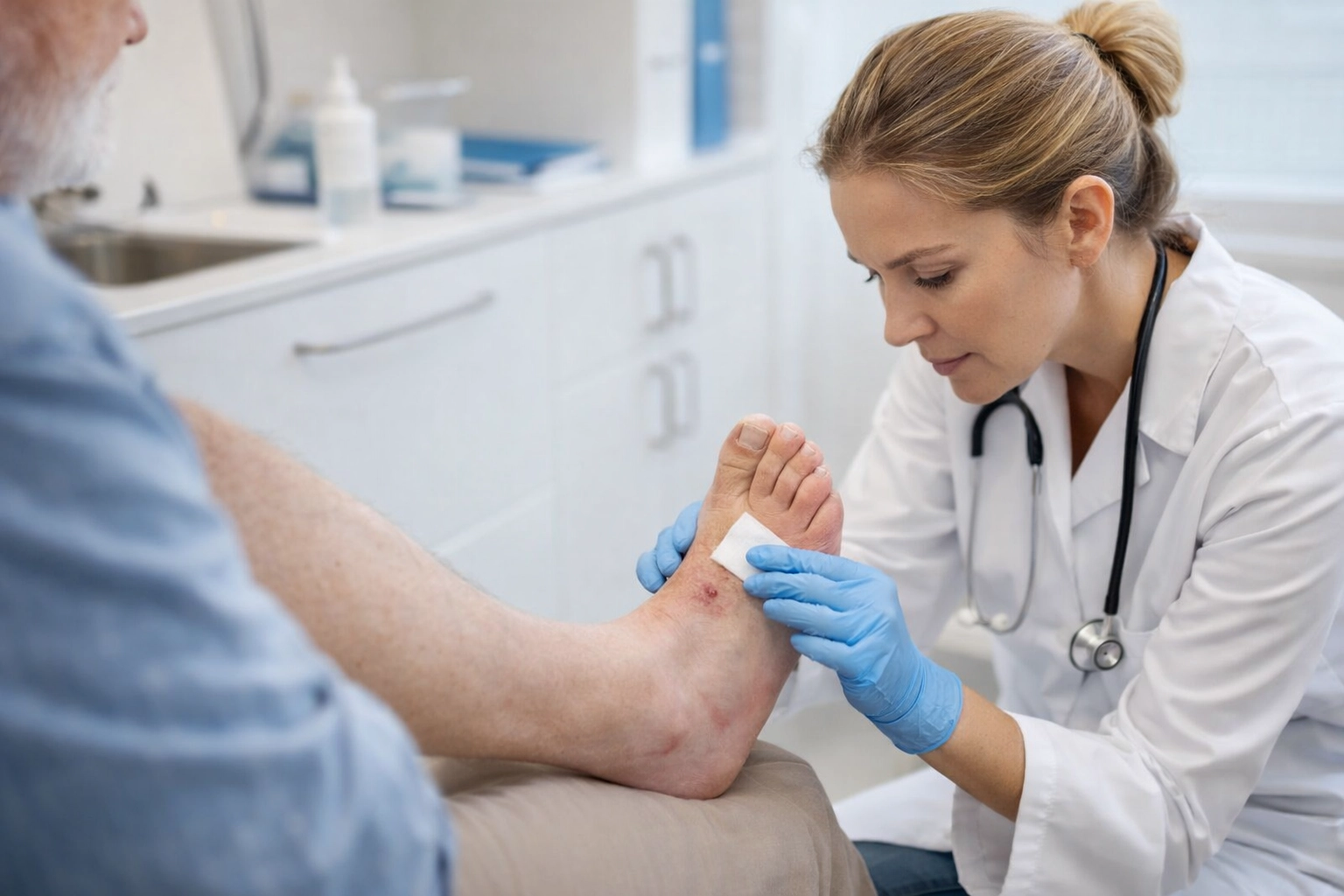
If you live with diabetes, a regular salon pedicure can feel like a small treat. But for feet that heal slowly or have less feeling, some common salon steps carry real risk. This guide explains what makes a diabetic pedicure different, and gives a simple daily routine you can follow at home.
Why diabetes changes foot care
Diabetes can reduce blood flow to the feet and dull the nerves that warn you about pain. A small cut, blister or ingrown nail may go unnoticed for days, and it can heal much more slowly than usual. That is why the goal of foot care with diabetes is simple: protect the skin and catch problems early.
Salon pedicure risks to know about
- Long foot soaks soften the skin and can make it easier to break.
- Cuticle cutting opens a path for bacteria.
- Callus shavers and sharp tools can remove too much skin and cause a wound.
- Hot water can burn feet that cannot feel temperature well.
If you still go to a salon, tell the technician that you have diabetes and ask them not to cut cuticles or shave calluses.
What a diabetic pedicure with a nurse looks like
A nurse-led diabetic pedicure skips the long soak and aggressive tools. The focus is on nail and skin health: careful trimming and thinning of thick nails, gentle care for corns, calluses and cracked heels, and a check of the whole foot for early warning signs. You also get advice on footwear and daily care that fits your feet.
A daily foot routine for people with diabetes
- Look at the tops, soles and heels of both feet and between the toes every day. Use a mirror or ask a family member to help.
- Wash your feet in lukewarm water. Test the temperature with your elbow or a thermometer first.
- Dry well, especially between the toes.
- Moisturize the tops and soles, but not between the toes.
- Wear socks and shoes indoors and outdoors, and check inside your shoes before putting them on.
- Do not use heating pads, hot water bottles or sharp tools on your feet.
- Ask your doctor to check your feet at least once a year.
When to see a doctor right away
Routine foot care does not replace urgent medical care. Contact your doctor, visit a walk-in clinic or seek emergency care if you notice an open sore or blister that is not healing, redness, warmth or swelling that is spreading, skin that turns blue, purple, grey or black, new pain or numbness, or a fever together with a foot problem.
How often to book
Most clients book foot care every 6 to 8 weeks, depending on how fast their nails grow. At Velora Skin Clinic, care is provided by a Registered Practical Nurse at the clinic in Richmond Hill, or at home for clients who find it hard to travel, use a walker or wheelchair, or are recovering from illness.
Details about the service: https://veloraskinclinic.ca/services/diabetic-foot-care/
Visit Velora Skin Clinic
Velora Skin Clinic
12285 Yonge Street, Richmond Hill, ON L4E 3M7
Phone: 416-428-8383
Open every day, 9:00 AM to 8:00 PM
This article is for general information and is not a substitute for advice from your doctor.


Comments
Post a Comment