PRP Injections vs PRP Facial: A Plain-Language Guide to Platelet-Rich Plasma
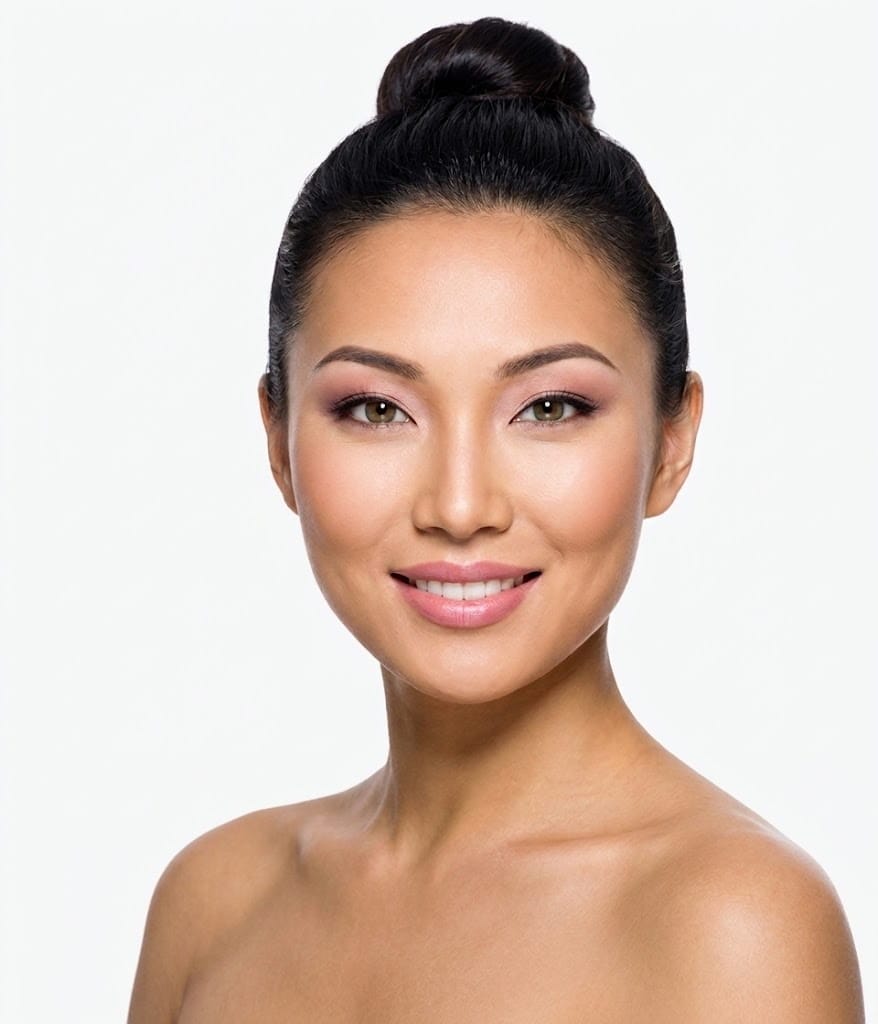
PRP, short for platelet-rich plasma, uses a small amount of your own blood to support the skin and scalp. You may have heard it called a "vampire facial", or seen PRP offered for under-eye areas and thinning hair. The options can be confusing, so here is a plain-language guide to how PRP works and how the two main approaches differ.
What PRP is
Platelets are blood cells that help blood clot and release growth factors involved in normal tissue repair. For a PRP treatment, a small blood sample is drawn and spun in a centrifuge. This separates the red blood cells from a layer of plasma with a higher concentration of platelets, which is used during the same visit. Because the plasma comes from your own blood, an allergic reaction to it is very unlikely, although the usual risks of a blood draw and needle treatment still apply.
Option 1: PRP injections
Small amounts of plasma are placed into the skin or scalp with a very fine needle. This approach is often used for specific areas, such as under the eyes or on the scalp for thinning hair.
Option 2: PRP facial with microneedling
The skin is treated with microneedling, and the plasma is applied to the surface during and after the treatment. This combination is the one usually called a "vampire facial". It suits people who want a gradual improvement in texture, tone and fine lines across the face.
Which option is right depends on your skin, your goals and your medical history, so the choice is made after an assessment.
How many sessions, and when you see change
PRP works gradually. For skin, a course of about three sessions, four to six weeks apart, is common. For hair, protocols often include three or four monthly sessions followed by maintenance, with progress assessed after three to six months. Taking photos before the first session and at follow-ups is the best way to see real change.
Recovery
Redness, mild swelling and small bruises are common for one to three days. Most people return to normal activities the next day. Avoid makeup for 24 hours after a facial treatment, and follow the hair-washing advice you are given after a scalp treatment.
When PRP may not be suitable
PRP may not be a good choice if you have a blood or platelet disorder, take blood thinners, have an active skin or scalp infection, are being treated for cancer, are pregnant or breastfeeding, or have an uncontrolled medical condition. Always tell your provider about all medications and supplements, including anti-inflammatory painkillers.
Good questions to ask before booking
- Will you use injections, a PRP facial or both for my goals?
- How many sessions do you expect I will need?
- How will we track results?
More about PRP for face and hair at Velora Skin Clinic: https://veloraskinclinic.ca/services/prp-therapy/
Visit Velora Skin Clinic
Velora Skin Clinic
12285 Yonge Street, Richmond Hill, ON L4E 3M7
Phone: 416-428-8383
Open every day, 9:00 AM to 8:00 PM
This article is for general information. Treatment is provided only after an individual assessment and consent.


Comments
Post a Comment